Structure and Function
Mouth is a hollow cavity and an anterior part of the alimentary canal. The alimentary canal is responsible for processing the food we eat.
The part of the mouth in front of the teeth is called the vestibule, while the one behind is the mouth itself. Several sheets of muscle tissue are attached to the inner surface of the jawbone or mandible from the floor of the mouth. The cheeks are sufficiently flexible to allow the mouth to open and close. The palate, a thin sheet of tissue, which separates the mouth from the nasal cavity above, forms the roof of the mouth. At the back, the mouth cavity joins with the pharynx (the cavity connecting the nose, mouth and larynx), while at the front, it produces a range of sounds through the lips. Except the teeth, the entire inner surface of the mouth is lined by a mucous membrane.
Bounded by lips, cheeks, floor of the mouth and palate, the mouth performs the following functions. Digestion: the digestion process begins in the mouth. It receives food by ingestion, breaks it into small particles by mastication or chewing and mixes it with saliva - taste, chewing, grinding and mixing of food, formation of a bolus, swallowing and initiation of digestive processes. Breathing: the mouth is a passageway between the pharynx and the outside body, and can aid in breathing when the nose is blocked or inadequate. Speech: alterations in the shape of the tongue and the lips modify sounds produced by the vocal chords in a way that they become recognisable as syllables.
We have glands in our mouth that produce venom-like proteins called cytokines. Cytokines are proteins designed to kill micro-organisms in our mouth, before food or saliva is swallowed. During the night, the alimentary canal discards all residual waste towards the anus and mouth. This poisonous material is very strong. Long ago, it was a custom amongst kings to make slaves keep 20 gms of rice in their mouth for 20 minutes in the morning. The rice absorbed the toxins in the mouth. Afterwards, they would spit this rice into a bowl and dry it in the sun. This rice was sent to the enemy camps to poison them.
Problems
Several health problems are associated with the mouth and the unhealthy bacteria flourishing inside, including an increased risk of stroke, heart disease, arthritis, diabetes, bronchitis, pneumonia and premature births.
Bad breath: the main source of bad breath (or halitosis) is the tongue. When layers of bacteria are embedded on the tongue, it produces foul smelling volatile sulphur compounds. Other possible bad breath causes are dry mouth and food, such as onions and garlic. Gingivitis: an early form of gum disease caused by plaque, a sticky bacterial film that forms on our teeth. These bacteria also carry toxins that cause gum irritation. Oral thrush: a fungal infection, which appears as raised creamy spots on the lining of the mouth, lips and throat. Mouth ulcers: they appear on the insides of lips, cheeks or floor of the mouth, and may occur as a result of aggressive tooth brushing, eating very hot food, food allergy, etc..
Mouth is home to thousands of bacteria, viruses, fungi, parasites and their toxins. Our immune system is constantly fighting these troublemakers. Excessive stress, poor diet, poor oral hygiene and environmental toxins help these unwanted organisms spread throughout the body leading to secondary infections, chronic inflammation and several other health problems.
Some of the common symptoms of mouth problems are
- Bad breath
- Discolouration of teeth
- Ulcers in cheeks and gums
- Bleeding gums
- Loose teeth
- Tooth decay
Oil Pulling Technique
Mouth Cleanse, also known as Oil Pulling Technique (OPT) is a mouth cleansing method designed to deal with serious oral conditions, such as bad breath and tooth decay. It creates an environment favourable to good health. Even if you have already developed an oral disease, you can reduce and even reverse it.
Tip
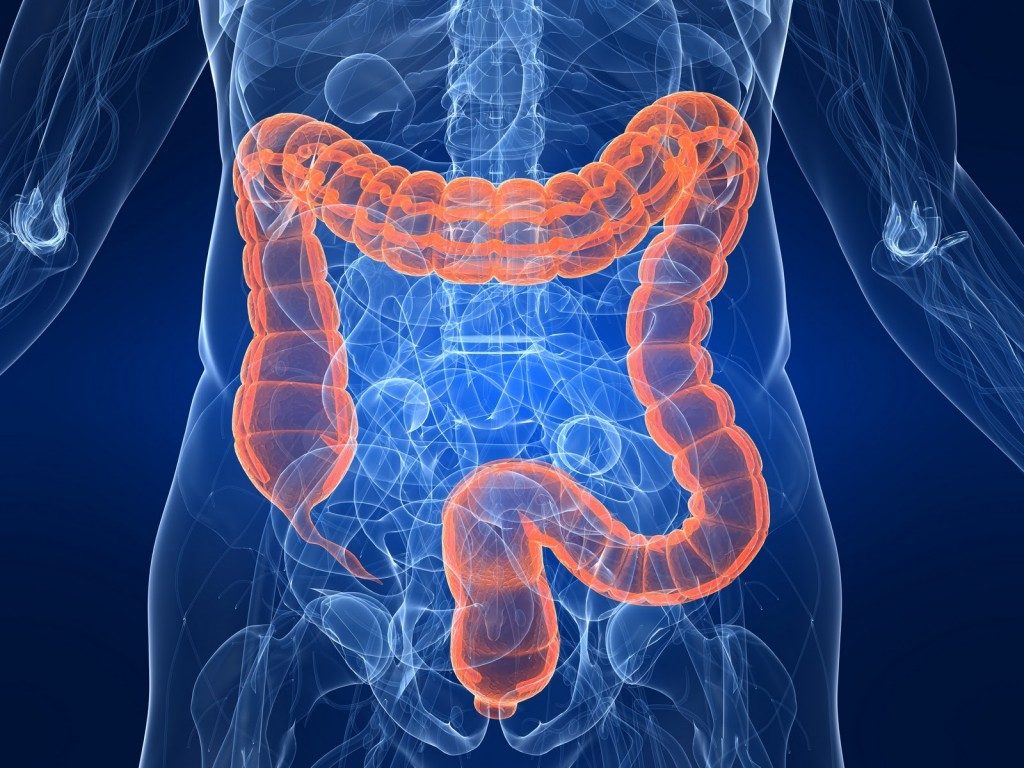
Before or after a Mouth Cleanse, it is recommended to do a Colon Cleanse. A Colon Cleanse helps in eliminating toxins, faecal matter and plaque from your intestine, which in turn rejuvenates your health and vitality.
Oil pulling technique or Mouth Cleanse is called kavala graham in Ayurvedic texts, which can cure a variety of illnesses, ranging from heart disease and digestive troubles to hormonal disorders. The technique is not only curative, but also prevents health problems. The oil pulling technique can also fix loose teeth, which no dentist can do.
By doing oil pulling with sesame oil, teeth are not affected by cavities and become firmly rooted. Tooth pain and sensitivity to sour items will be healed and one will be able to chew the hardest food items.
Ingredients and Procedure
For a Mouth Cleanse, take sesame oil or any other oil which suits you, such as mustard, sunflower, groundnut oil, etc.. If you are allergic to a particular brand of oil, change the brand or type of oil.
- Pour 20 ml of oil in your mouth in the morning, on an empty stomach before drinking any liquid (including water).
- Swish the oil in your mouth. Remember not to swallow or gargle it. You will notice that the oil begins to get watery as the saliva in your mouth mixes with the oil. Keep swishing. If your jaw muscles get sore while swishing, it means you are putting too much effort into it. Relax the jaw muscles and use your tongue to help move the liquid inside your mouth.
- As the end of the session approaches, you may notice that the oil-saliva mixture in your mouth has become thinner and the quantity of liquid has increased.
- After 20 minutes, spit the oil. Do not be alarmed if the liquid is yellowish. It is due to the removal of toxins from the mouth.
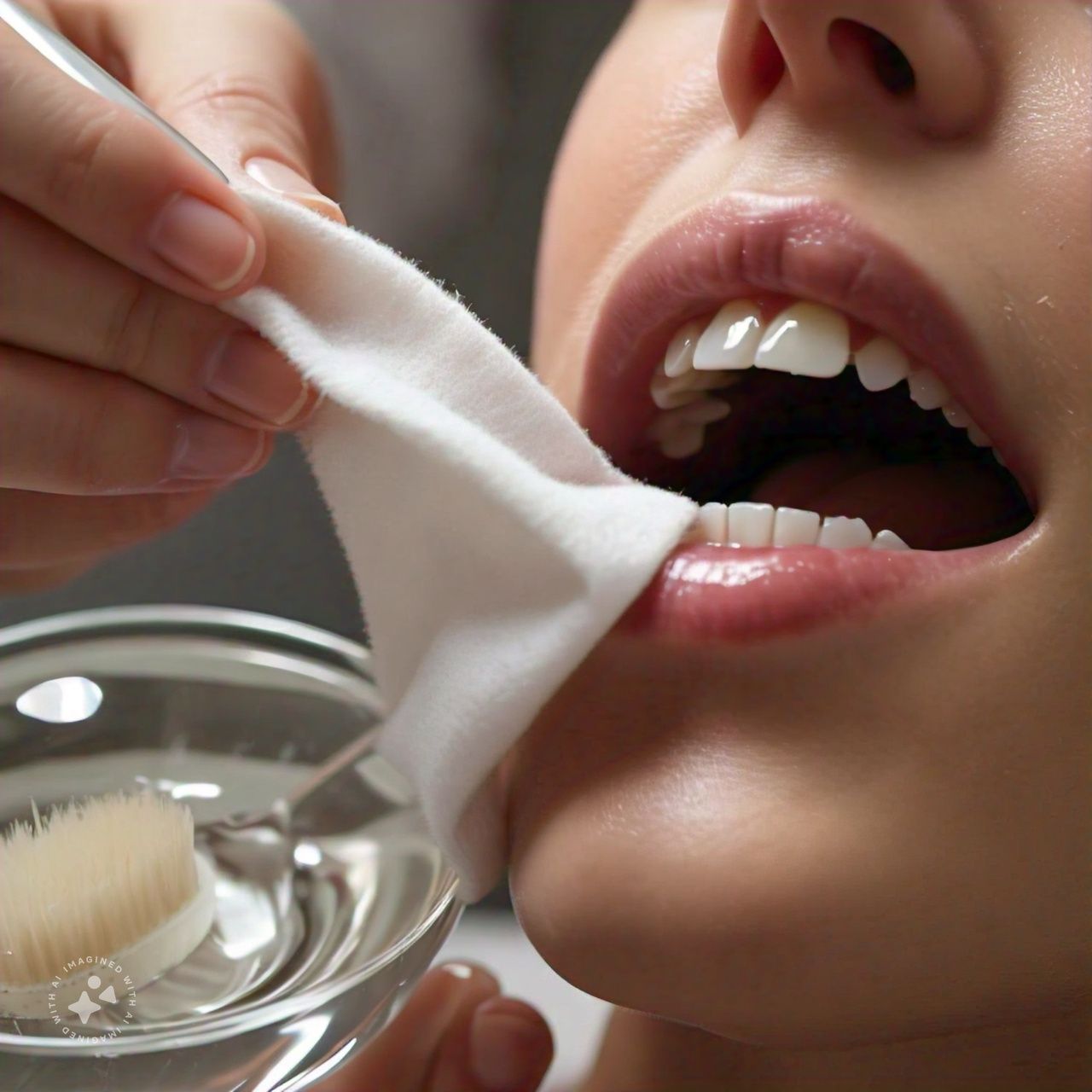
- Rinse your mouth thoroughly with warm or plain water and brush as usual.
What to Expect Initially
Mouth Cleanse may not be a very comfortable exercise to begin with. Initially, when you start pulling, mucus may build at the back of your throat. You may even have to expel the oil and clear the mucus before completing 20 minutes. In such a case, take another spoonful of oil and continue for 20 minutes.
You may also experience a little nausea and may even need to vomit, as your mouth expels toxic waste. These symptoms will subside as you become more comfortable with oil pulling. For some people who have various illnesses manifesting simultaneously, the condition might worsen. This is due to the initial removal of the primary infection that causes secondary infections to dominate temporarily.
Tip
After a few days, these secondary infections will disappear and other infections may take its place. Under these circumstances, the affected person should continue the treatment to facilitate rapid healing. A brief worsening of health is an excellent sign of the body healing itself.
Benefits
When you rinse your mouth with oil, it acts as a cleansing agent that removes bacteria and other toxic debris from the teeth and gums. When we expel these harmful substances from our mouth, our overall health improves significantly. Teeth become whiter, breath becomes fresher and the tongue and gums have a healthy pink colour. Even problems, such as tooth decay and bleeding gums are diminished or completely healed.
People who have undergone the Mouth Cleanse have also reported relief from acidity, asthma, bronchitis, cracked feet, eczema, headaches, heart problems, intestinal diseases, joint pains, kidney diseases, lung and liver problems, nose blocks, problems connected with nerves, stomach problems, thrombosis and ulcers, and various other health issues. A Mouth Cleanse also helps overcome chronic skin problems. It is found to be very helpful in treating gynaecological issues as well.
Do's and don'ts
- Brush your teeth and gums for one to two minutes. Brush around the edges of gum in a circular motion.
- Use a soft bristle brush and do not brush hard. Remember that nature intended no brushing of teeth. We need it because we eat cooked food.
- Try to use homeopathic or herbal toothpastes, as they are better suited for your oral health.
If, as they say, the way to a woman's heart is through her ears and to a man's heart is through his stomach, then the way to good health is definitely through the mouth.